
Local SEO blog
What Is Organic Growth and Why It Compounds for Small Businesses
October 15, 2026

Organic growth is customer acquisition through unpaid channels, led by search and built on content that answers real questions. For a small business, it matters because organic visibility can keep working when the marketing budget pauses.
I have worked in SEO since 2013, learning by doing client work and paying attention to what helps real businesses get found. I work with small operators who cannot outspend every competitor. Organic growth gives them a way to build visibility through useful pages, accurate business information, and trust earned over time.
What organic growth means in marketing
Organic growth in marketing means attracting customers through unpaid channels such as search results, helpful content, social profiles, referrals, reviews, and word of mouth. Ahrefs describes organic marketing as attracting website traffic without paid advertising, often by creating and distributing useful content.
“Unpaid” describes how the audience finds you. It does not describe the labor behind the work. Organic growth takes time, content production, research, technical improvements, and ongoing attention. The investment happens upfront and through maintenance, instead of being charged per click.
Organic search results are listings that appear without an advertiser paying for placement. TechTarget’s definition explains that search engines determine these results based on factors such as relevance and SEO.
Semrush’s comparison of organic and paid marketing lays out the practical difference: organic efforts earn visibility through non-paid tactics, while paid marketing buys distribution. That distinction helps a business choose where to put its time and budget.
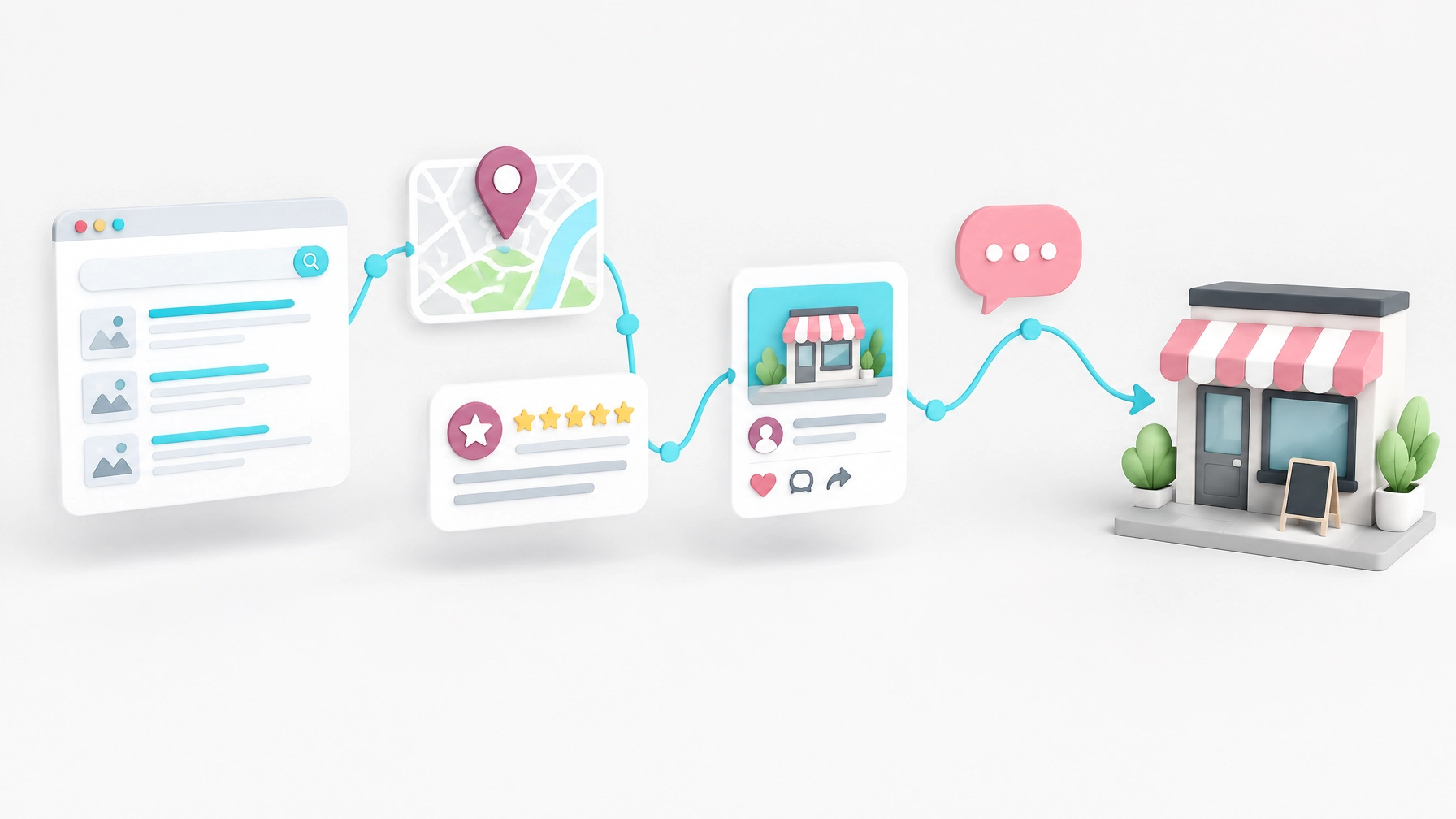
Organic growth versus paid marketing
Organic and paid marketing have different cost structures and timelines. Organic takes work before results show up. Paid ads can start reaching an audience soon after launch, and the visibility from an ad campaign usually pauses when its budget runs out.
| Organic marketing | Paid marketing | |
|---|---|---|
| Cost structure | Investment in content, SEO, technical work, and upkeep | Ad spend for placements, clicks, or impressions |
| Speed | Builds over time | Can create visibility quickly |
| When spending stops | Useful pages and profiles can continue attracting attention | Campaign visibility typically pauses |
| Best fit | Building lasting search visibility and answering buyer questions | Launches, promotions, and testing messages |
Paid advertising has a real place. It can help a business test an offer, promote a launch, or reach people during a short campaign. Organic marketing is useful when the business wants to build a body of answers and pages that can keep earning attention over time.
I see the strongest case for organic when buyers research carefully before contacting a business. They search for options, compare services, check reviews, and look for answers to specific questions. Pages that address those questions can help a business earn a place on the shortlist.
The channels that count as organic
Organic growth can come from several places. A small business does not need to pursue every channel at once. It needs to show up in the places its customers use and keep the information there useful.
- Search results and content. Helpful service pages, articles, guides, and product information can reach people searching for answers. A thoughtful SEO content strategy gives each page a purpose and connects related topics.
- Local search and map results. Accurate location details, helpful service information, and customer reviews support local discovery. My guide to local SEO covers the work that helps a local business appear in relevant searches.
- Social profiles. Organic posts and profiles help people discover a business, learn what it does, and share useful information with others.
- Referrals and review sites. Recommendations and reviews can bring new customers and help potential buyers assess a business.
- AI answers. AI Overviews and tools such as ChatGPT and Perplexity can summarize information and cite sources. Organic visibility increasingly includes making your business and expertise clear enough to be found and cited.
Why organic growth compounds
A useful page can continue answering questions after the work of researching and publishing it is complete. If the page earns visibility and stays relevant, it can bring in visitors over time. The initial investment may keep producing value as more people find the page.
That is the compounding effect. A strong page can also support other pages through internal links, strengthen your coverage of a subject, and help visitors understand what you offer. I explain how connected coverage supports building topical authority.
The comparison with advertising is straightforward. An ad campaign stops delivering its paid placement when its budget stops. A useful organic page may keep attracting attention, though rankings and traffic can change. Pages need updates, and results take time. Organic growth can take months to build, and no one can promise a specific timeline.

The 2026 layer includes AI answers
People can get answers from AI Overviews, ChatGPT, and Perplexity before visiting a website. That changes part of the discovery journey. A business can earn a click from search, or it may be named as a source in an answer that helps someone decide what to do next.
For some searches, a brand missing from the answer may also be missing from the buyer’s shortlist. Organic growth now includes AI search optimization and content built for AI search.
The technical foundation matters here. Pages need to be accessible to search systems, organized clearly, and eligible to appear in search features. Technical SEO helps make that foundation stronger. Clear answers, descriptive headings, and accurate details also make it easier for readers and answer engines to understand a page.
How to start organic growth on a small budget
A small business can begin with a focused plan. I would start with these steps:
- Pick the questions customers actually ask. Look at sales conversations, customer emails, reviews, and questions people ask before they book or buy. Choose a few topics closely related to your services.
- Build one answer-first page for each question cluster. Put the direct answer near the top, then explain useful details, trade-offs, and next steps. A page should be helpful before it asks the reader to contact you.
- Fix the technical basics. Check that important pages load, work on mobile, can be indexed, and link to relevant parts of your site. You do not need a complicated rebuild to address a missing page or confusing navigation.
- Keep your business profile accurate and reviewed. Make sure your contact details, services, hours, and location information are consistent. Ask customers for honest reviews and respond to them.
- Measure useful outcomes. Track branded searches, relevant organic traffic, phone calls, form submissions, and store visits where possible. Rank tracking can help show how search visibility changes, but impressions alone do not tell you if the work is bringing in potential customers.
Start with the questions closest to a sale
If you run a small business, organic growth is a practical way to invest in visibility that can keep working after a campaign ends. Start with the questions your customers ask most often, answer them clearly, and make sure your website and business profiles give people a consistent picture of what you do.
My free SEO audit can help identify a useful starting point, including content opportunities and technical issues that may get in the way.