

I’ve been doing cannabis SEO for over four years. And I’ll tell you right now: most of what gets labeled “esoteric” is just regular SEO applied to a niche that makes it harder.
But some of it? Actually interesting.
Let me break down the tactics that actually move the needle, and the ones that’ll get you deindexed faster than you can say “cloaked geo-targeting.”
Hyper-Local Is Not Optional for Multi-State Operators
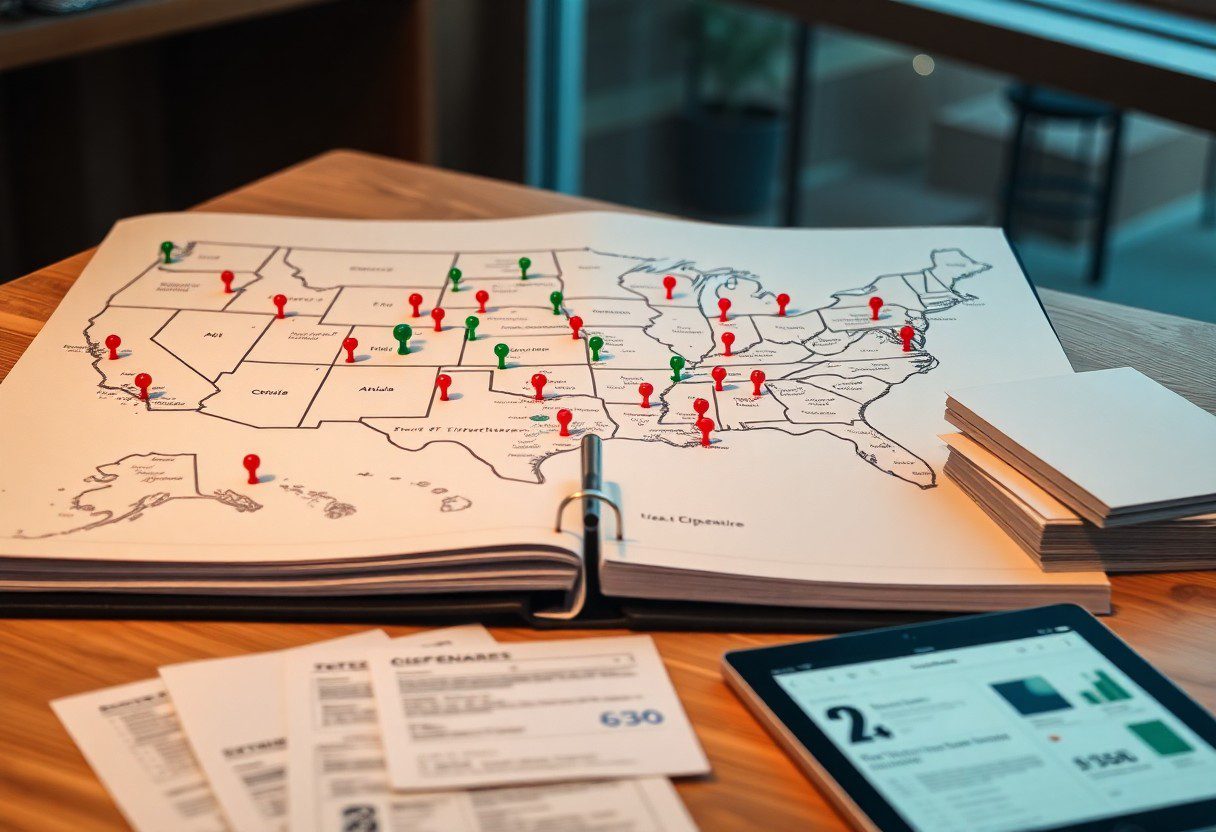
If you’re a multi-state operator and you’re not building city and county-level pages, you’re leaving serious traffic on the table.
Search signals fragment quickly across jurisdictions. A dispensary in Ann Arbor isn’t competing against a dispensary in Detroit the same way a national brand competes everywhere. People search locally. Google thinks locally.
I audit store-level NAP (name, address, phone) across every location. I fix schema markup at the individual location level. And I build service pages that are specific enough to rank for the terms people in that zip code are searching for.
It’s not flashy. But it works.
Dominating Map Packs When the Rules Change by County
Map pack real estate is some of the most valuable organic traffic in cannabis. And it disappears overnight when your listing violates a policy you didn’t even know changed.
Local citation accuracy isn’t a one-time task. It’s ongoing. Business categories, service areas, and hours: all of it needs to be reviewed regularly. A suspended listing in a city where you just opened a new location is a nightmare scenario I’ve watched play out too many times.
Build a compliance log. Have a removal plan. Don’t assume your listing is fine just because it was fine last month.
Niche Directory Citations Are Underrated
I manually vet every directory before I add a client listing. High-trust cannabis directories, trade associations, local business listings: these give you targeted backlinks AND referral traffic from people who are actually looking for what you sell.
The trick is consistency. Exact NAP. Preferred URL. Correct category tags. And a regular audit to catch duplicates or conflicting entries before they dilute your local signals.
Google’s E-E-A-T standards (experience, expertise, authoritativeness, trustworthiness) hit hard in cannabis because medicinal content falls under YMYL (your money or your life).
Here’s my brutally honest take: most cannabis sites are not taking this seriously enough.
If you’re publishing dosing guides, drug interaction information, or anything touching medical claims, you need author credentials displayed clearly. You need citations to peer-reviewed studies. Ideally, you need a clinician review process you can document and point to.
The Medical Review Board Situation
Yes, this is real. Yes, it matters.
Having clinicians vet your medical content doesn’t just protect you from liability. It signals to Google that your content is trustworthy. That’s the whole game with YMYL content.
Document the reviews. Show the transparency. It’s not overkill. It’s table stakes.
Educational Hubs for New Consumers
New cannabis consumers are searching for information, not products. Not yet.
Build content hubs that meet them where they are. Beginner guides. Dosing calculators. Clear safety warnings. FAQ sections with structured data markup so you show up in rich results.
Map the journey from curiosity to purchase. That’s your content strategy.
Behavioral Signals Are How You Keep Rankings You’ve Earned
Getting to page one is one thing. Staying there is another.
Dwell time, click-through rates, bounce rate: Google is watching how users interact with your content after they land on your page. If they click and bounce immediately, that’s a signal your page didn’t deliver.
I look at this data constantly. And I make changes based on what I see, not what I assume.
Mobile Speed Is Non-Negotiable
Cannabis sites tend to be image-heavy. High-resolution product shots, lifestyle photography, and dispensary interiors. I get it. It looks good.
But if your page takes 4 seconds to load on mobile, you’re losing users before they even see it.
Responsive srcset. Lazy-loading. Image compression that doesn’t visibly degrade quality. These aren’t advanced tactics. They’re basics that a surprising number of cannabis sites skip.
Internal Linking Is Free Traffic You’re Ignoring
Contextual internal links guide users deeper into your site. They reduce bounce signals. They increase pages per session. And they help Google understand the topical relationship between your pages.
I match anchor text to the content it links to. I vary the exact-match anchors to avoid over-optimization penalties. And I track the results: bounce rate, session depth, conversions.
It works. Every time.
The Real Talk on Esoteric Tactics
No buzzword bingo. Just the real talk.
Cloaked geo-targeting sounds exciting. And yes, some sites use it to serve different content to users versus crawlers based on location. It can work in the short term.
But the deindexing risk is real. Google’s gotten much better at detecting cloaking. And if you get caught, you’re not just losing rankings. You’re starting over.
I don’t recommend it for clients who need sustainable growth.
What I do recommend: long-tail keyword funnels built around high intent, niche topical clusters that establish real authority, semantic schema markup that helps Google understand your content, and white-hat backlink diversity that holds up over time.
That’s the esoteric stuff that actually works in the long term.
Download my free Cannabis Dispensary SEO Checklist
FAQ
How do semantic clusters, strain taxonomies, and long-tail keyword sets drive organic growth in the cannabis niche?
Group your strain profiles, cannabinoid chemistry explainers, use-case guides, and lab result content into clear topical clusters. Build a hub page for each major theme and link out to dedicated pages for terpenes, effects, dosing, and lab certificates. Map your keywords to user intent and separate educational content from transactional pages. Mark up hubs and FAQs with structured data. Canonicalize near-duplicate product variants.
This is how you build topical authority in a niche where thin content gets filtered out fast.
What technical and compliance-focused SEO tactics are often overlooked on cannabis websites?
Age-gated content is the big one. If you’re running JavaScript-based age gates, crawlers often can’t access your content. Use server-side rendering or pre-rendering so public content is accessible to Google without triggering the interactive gate.
Beyond that: separate sitemaps for region-specific legal content, hreflang for multi-jurisdiction pages, precise schema markup (Product, Offer, FAQ, MedicalWebPage, where applicable), and canonical tags for near-identical product SKUs.
Keep high-value pages shallow in click depth. Monitor your crawl budget. Block truly restricted pages via robots.txt. Publish clear lab documentation and policy pages.
Which off-site link and content strategies produce sustainable organic authority for cannabis sites without violating platform rules?
Original data. Strain databases, lab-verified cannabinoid reports, cultivation experiments, local market data: these attract editorial backlinks from journalists and researchers who can’t link to promotional content.
Pitch data-driven stories to mainstream press. Use HARO to earn citations from health and lifestyle outlets. Create resource pages built for healthcare professionals. Sponsor community events with real landing pages.
Keep your anchor text varied and contextual. Monitor your backlink profile and disavow spammy links before they drag you down.

The cannabis niche rewards patience and precision.
I’ve been feeding the algorithm since 1997. In four-plus years of cannabis SEO specifically, the clients who win in the long term are the ones who build real authority the right way. The ones who take shortcuts get burned when Google updates.
Play the long game. It’s the only game that matters.
[…] inventory management, the underlying reality is far more complex and, frankly, detrimental to your organic growth. The technical implementation of an iframe is strictly necessary for the legitimate purpose of […]
[…] You need someone who knows how to navigate the esoteric nature of cannabis organic growth. […]
[…] This requires esoteric SEO for cannabis organic growth. […]